EN 388 cut & impact gloves EN 1492 lifting slings Ice-pack cooling vests
tao@kuangshitrading.com  ·  Replies within 1 business day
KS KUANGSHI SAFETY Industrial Safety Equipment
Home / Gloves / Impact & cut-resistant

Impact and cut-resistant gloves

The glove you buy when the hazard is not a blade alone. A TPR impact shield over the knuckles and fingers, a knitted HPPE or UHMWPE shell underneath that stops the cut, and a coated palm for the grip. Marked to EN 388 for the mechanical properties and tested for impact against EN 511 and ANSI/ISEA 138.

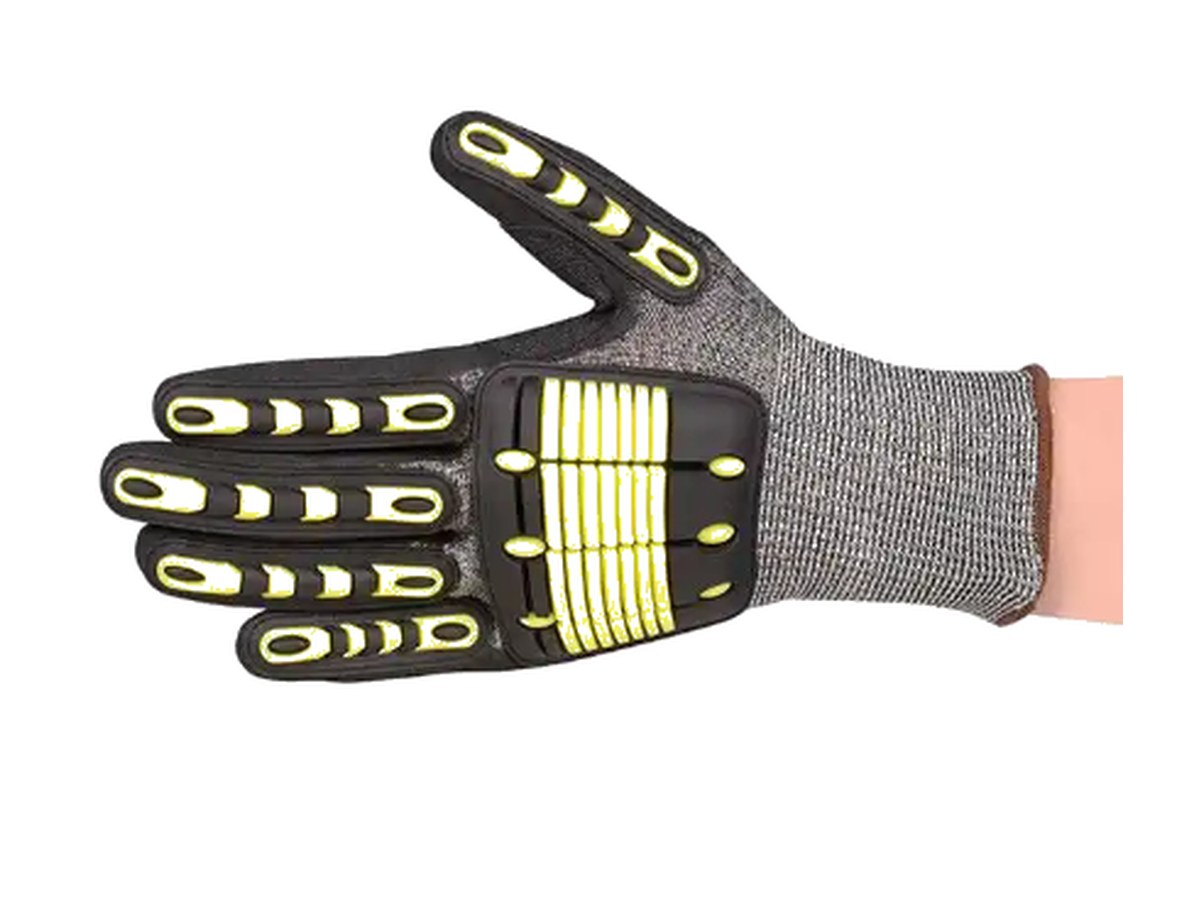
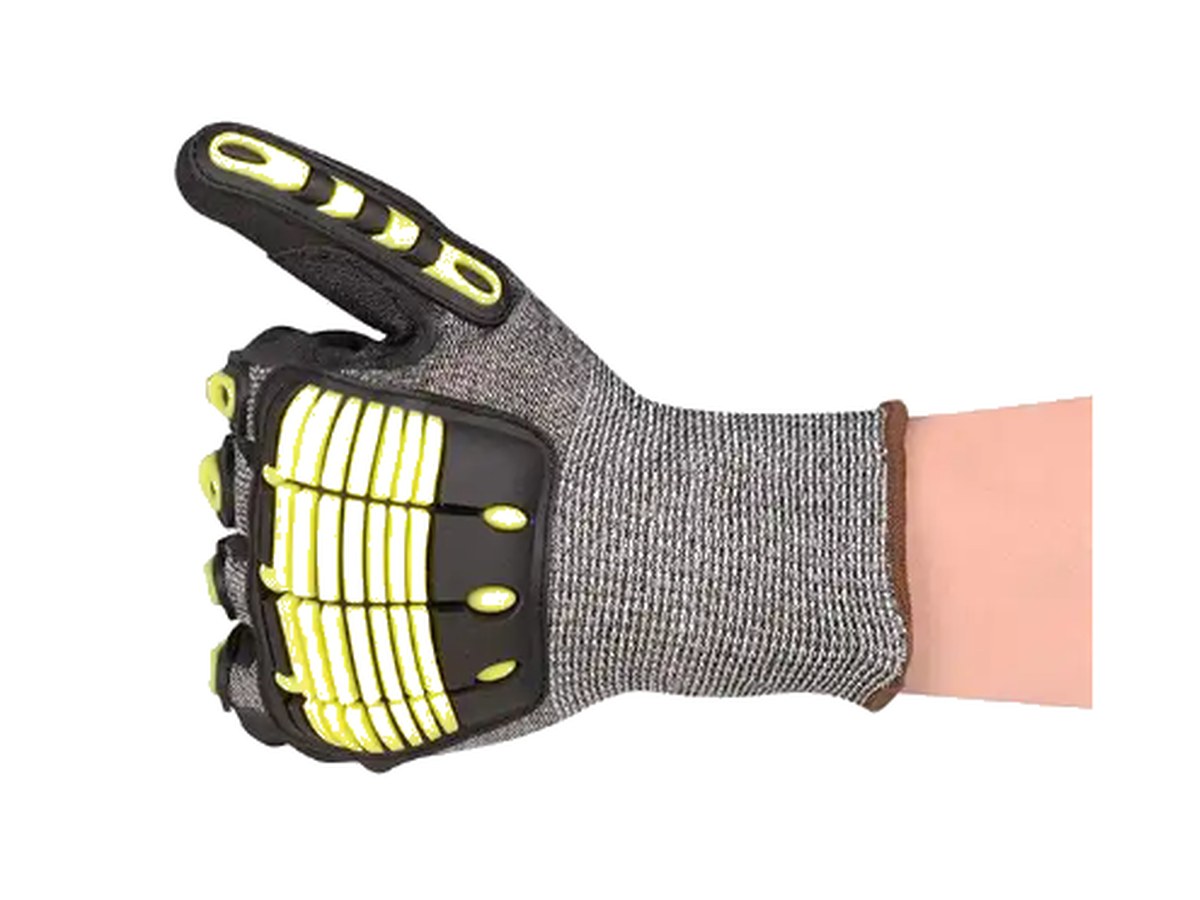
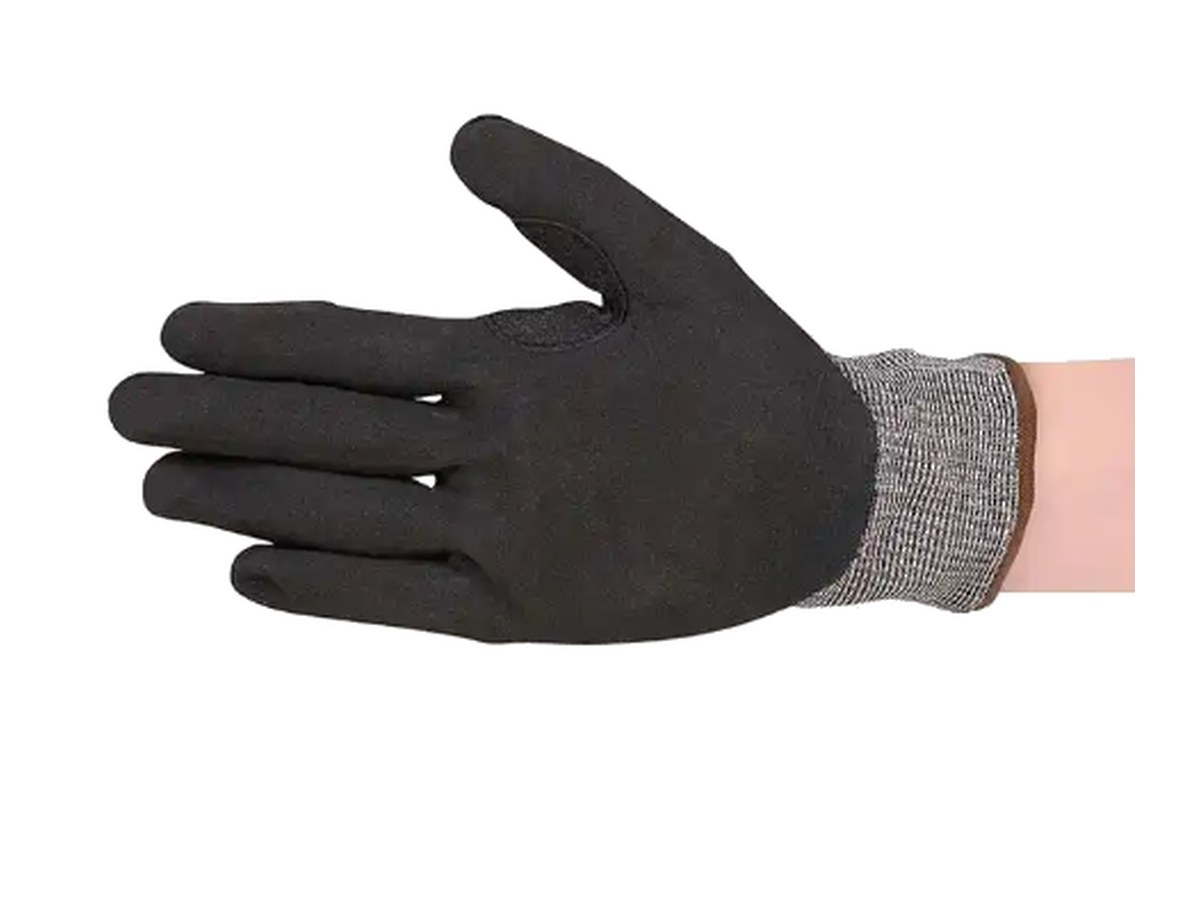
Impact-resistant glove: grey HPPE knit shell with yellow TPR finger caps and a moulded back-of-hand protector The same impact glove with the hand closed, showing the moulded TPR knuckle block across the back of the hand Palm side of the same impact glove showing the black nitrile dipped coating over the grey knitted shell
What the two layers do

The shield stops the impact, the knit stops the cut

These are two separate protections that happen to be sold on one glove. The outer TPR shield spreads a blow across the back of the hand instead of letting it concentrate on the knuckle. The inner knit is the yarn that actually resists the blade. A moulded cap on its own gives you no cut resistance at all, and a cut-resistant knit with no shield gives you no impact protection — which is why the label has to carry both.

What the shield marking tells you Position 6 appears only on EN 388:2016+A1:2018 gloves
MarkMeaningWhat it is worth
P Passed the EN 388 impact test (EN 13594 method) Knuckle area only. A 2.5 kg striker dropped to deliver 5 J; pass if mean transmitted force is ≤ 7 kN with no single result above 9 kN.
F Tested and failed the impact requirement Worse than no marking, because it shows the shield was tested and did not pass.
X Impact not tested Perfectly normal on an ordinary cut glove. It means nothing about cut performance.
Why we ask whether you also need ANSI/ISEA 138

EN 388 tests the knuckle area at a single point. ANSI/ISEA 138 tests four knuckle positions and five finger and thumb positions across both gloves — 18 drop points in total — and grades the result Level 1 to Level 3, where Level 3 transmits the least force (average ≤ 4 kN). If your customer works with pinch points, moving heavy pipe or handling material that falls, the finger and thumb coverage is the part that matters, and only the ANSI rating tells you it.

Construction

Where the protection is placed

Impact protection is a trade against dexterity. A full shell over the back of the hand protects more but feels heavier and reduces grip; a finger-only cap protects the fingers and leaves the hand bare. We will tell you which layout suits the task rather than defaulting to the heaviest one.

CAP

Finger caps only

A moulded cap over each fingertip and the thumb, leaving the back of the hand exposed. The lightest option, and the right one where the hand needs to grip a tool and the risk is fingers being caught rather than a blow landing on the knuckles.

KNUCKLE

Knuckle block plus finger caps

A continuous moulded protector across the metacarpal and knuckle line, with separate caps over the fingers. This is the configuration that satisfies the EN 388 impact position and is what most metal fabrication and machine shops end up buying.

FULL

Full back-of-hand shell

The whole back of the hand covered in moulded thermoplastic, often over a padded textile layer. Maximum coverage for demolition, mining and heavy mechanical work. Heavier, hotter, and it reduces the tactility you get from a bare back of hand.

Programme options Ranges are indicative production windows. Actual performance depends on the variant selected and the test report issued for it.
Series Shell Cut level (ISO 13997) Impact Palm coating Typical use
KS-I40 Impact-rated HPPE, 10 gauge C – D EN 388 position 6 = P Nitrile Oil & gas, mining, heavy mechanical work
KS-I50 Impact-rated UHMWPE / HPPE blend D – E EN 388 position 6 = P Nitrile, reinforced Steel fabrication, pipe handling, automotive body work
KS-I60 7 gauge UHMWPE, heavier yarn E ANSI/ISEA 138 Level 2 available Nitrile, reinforced Heavy fabrication, glass and scrap handling
KS-I70 Impact-rated UHMWPE with full back shell E – F ANSI/ISEA 138 Level 3 available Nitrile, reinforced Demolition, mining, steel and shipyard work
Documents

What arrives with the goods

  • EN 388 test report showing abrasion, coup cut, tear, puncture, ISO 13997 cut level and the impact result in position 6
  • Declaration of Conformity referencing Regulation (EU) 2016/425 with the standard version date stated
  • Impact test data — the transmitted force figures behind the P mark, and the ANSI/ISEA 138 level where that is claimed
  • Technical file summary — shell fibre, coating chemistry, shield material, shelf life and storage conditions
  • Batch and carton traceability — every carton marked with a reference that resolves to a specific report
Impact gloves usually fall under Category II

A glove claiming EN 388 impact protection is normally PPE Category II, which means the production route requires an EU type examination by a notified body. That is a longer process than the self-certified Category I route used for plain cut gloves, and it affects both the lead time and the cost. If you are building a range, tell us at the enquiry stage which category you intend to sell — it changes the paperwork we prepare.

The combination question we get asked most

Can you put a cut level D glove and an impact glove in the same programme and ship them under one document? Yes, but the test reports are separate because they are different products with different constructions. What we can do is bundle them into one shipment with one Declaration of Conformity per product and a consolidated packing list, so your technical buyer receives a single package rather than four suppliers' boxes.

Tell us the impact risk and we will size the shield

Send us what the wearer handles, how it is handled, and whether there is a pinch or falling-load risk. We will return a specification with the shield layout, the marking that should appear on the label, and the documents that ship with the order.

Page V2.0 · site V2.1 · updated 1 November 2026