Cut-resistant and impact gloves
Knitted HPPE and UHMWPE gloves supplied with a verified EN 388 marking. Cut level stated by the ISO 13997 method, impact protection where the hazard calls for it, and coated or bare backs depending on the grip and dexterity the job actually needs.
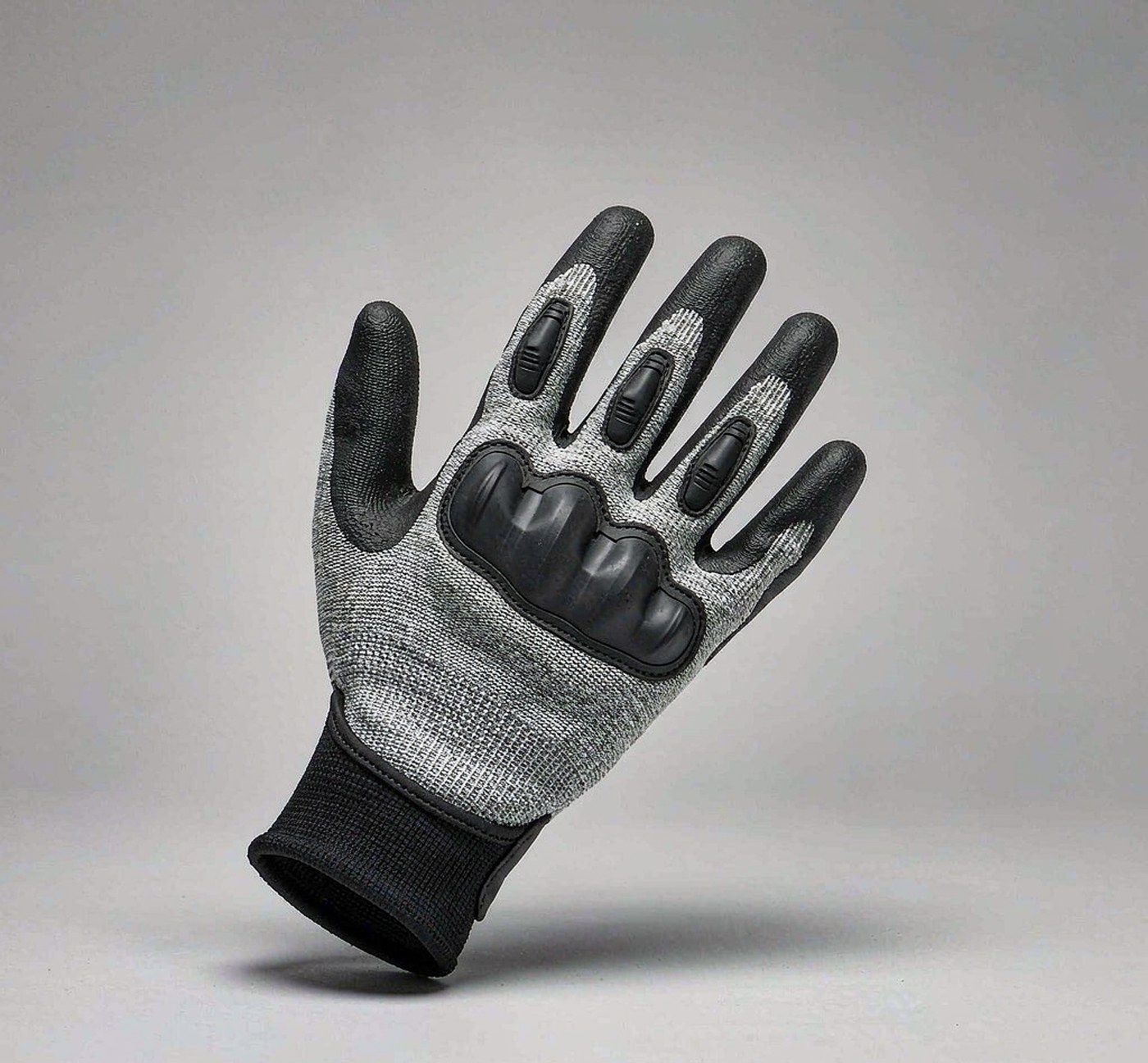
Read the shield before you read the price
Every glove in this range carries a shield marking like 4X42D. Four digits and two letters, and every one of them is a test result rather than a marketing adjective. Here is what this one means.
| Position | Value | Meaning |
|---|---|---|
| 1 | 4 | Abrasion resistance, level 4 of 4 |
| 2 | X | Cut by rotating blade not tested — the TDM result below governs |
| 3 | 4 | Tear resistance, level 4 of 4 |
| 4 | 2 | Puncture resistance, level 2 of 4 |
| 5 | D | Cut level D by ISO 13997 (TDM method) |
| 6 | — | No impact rating claimed |
1. Treating the rotating-blade (coup) number and the ISO 13997
letter as interchangeable. They are different tests with different
methods — X in position 2 does not mean the
glove failed; it means that test was not run and the letter is the
one that counts.
2. Buying cut level F for everything. A level F glove on a
packing-bench job is too stiff, gets removed within the hour, and
protects nobody. We size the level to the hazard.
What we supply
| Series | Construction | Cut level (ISO 13997) | Impact | Coating options | Typical use |
|---|---|---|---|---|---|
| KS-2000 | 13 gauge HPPE knit | B | — | Nitrile, PU, bare | Handling, packing, light assembly |
| KS-3000 | 13 gauge HPPE knit | C | — | Nitrile, PU | General construction, warehousing |
| KS-4000 | 10 gauge HPPE knit | D | Optional TPR shield | Nitrile, PU | Sheet metal, structural steel, automotive body |
| KS-5000 | 10 gauge UHMWPE / HPPE blend | E | TPR shield standard | Nitrile | Heavy fabrication, glass handling |
| KS-6000 | 7 gauge UHMWPE, heavier yarn | F | TPR shield standard | Nitrile, reinforced | Aviation glass, scrap sorting, recycling lines |
| KS-I40 | Impact-rated HPPE | C – D | EN 511, level P | Nitrile | Oil & gas, mining, heavy mechanical work |
Coating selection
- Nitrile — general oil and grease, good touch, machine washable at 40°C
- PU — thin, high dexterity, dry handling, not for oil or heat
- PVC — heavy duty, wet and oily, thicker and less tactile
- Bare — maximum breathability for high-heat environments
Sizing and fit
- Unisex sizing, S through XXL as standard
- Ambidextrous design, reinforced thumb seam on KS-4000 and above
- Elasticated cuff with a short cuff variant for gloves under gauntlets
- Custom cuff printing and colour coding by size available
Labelling
- Standard, level code, size and batch printed on the cuff
- Your brand and article number on the hang tag
- Each carton carries a batch reference matching the test report
- EN 407 heat and EN 374 chemical versions available on request
What arrives with the goods
- EN 388 test report on the production material, showing abrasion, coup cut, tear, puncture, TDM cut level and impact
- Declaration of Conformity referencing Regulation (EU) 2016/425 and the harmonised standard, with the standard version date stated
- Technical file summary — materials, fibre composition, coating chemistry, shelf life and storage conditions
- Batch and carton traceability — every carton marked with a reference that resolves to a specific report
- Inspection report and photos from the pre-shipment check
Most work gloves are PPE Category I, self-certified: the manufacturer keeps the technical file and issues the DoC. Category II (moderate risk, such as some impact gloves) requires an EU type examination. Category III (high risk, such as cut-resistant gloves used for high-speed rotating tooling) requires a notified body involvement. If your customer is specifying a category, tell us at the enquiry stage — it changes the production route and the cost.
We structure the file the way a European distributor's technical department wants it: product, standard, level, test method, laboratory, report date, and the label artwork that carries the marking. That way your technical buyer can accept the file without emailing us, and you keep the relationship on your side of the table.
Send us the hazard. We will tell you the level.
Tell us what the wearer is handling, how sharp it is, and whether there is an impact or heat risk. We will return a specification with the standard code, the marking that should appear on the label, and the documents that will ship with the order.