Impact & cut-resistant gloves
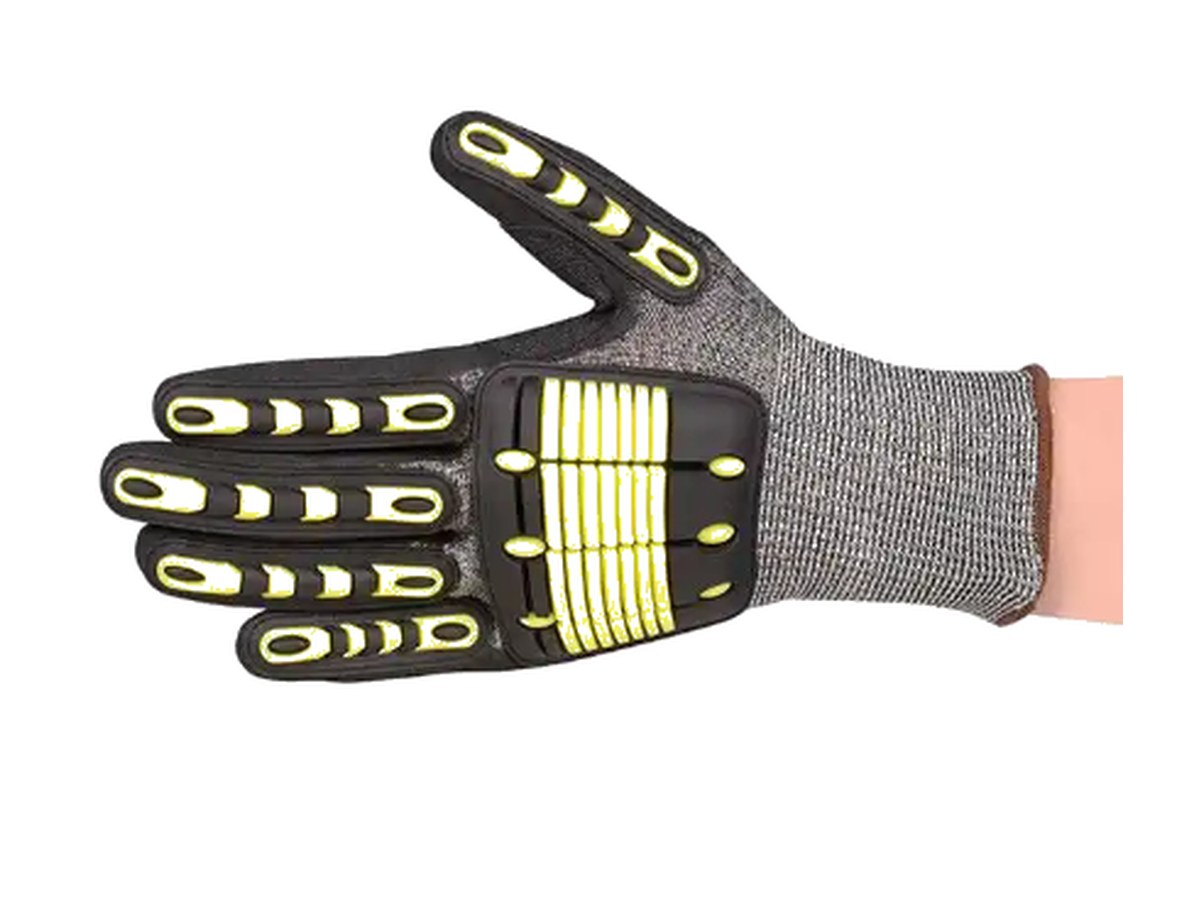
A moulded TPR shield over the knuckles and fingers on a cut-resistant HPPE or UHMWPE knit. EN 388 position 6 = P, ANSI/ISEA 138 levels available.
Seven product families sourced from audited manufacturers and shipped under one supply agreement. Every line carries its own standard and its own test report — the marking on the label is the marking on the report, and the report travels in the box.
A moulded TPR shield over the knuckles and fingers on a cut-resistant HPPE or UHMWPE knit. EN 388 position 6 = P, ANSI/ISEA 138 levels available.
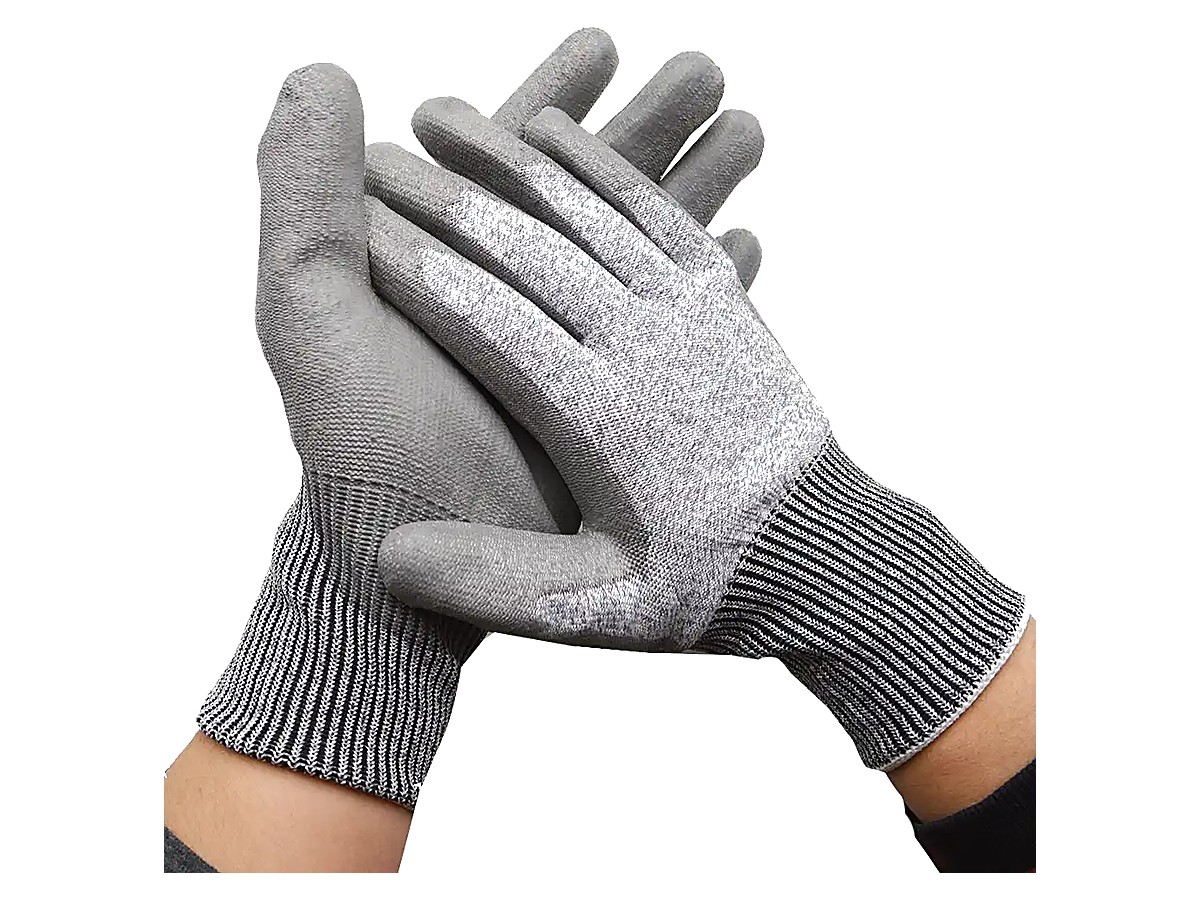
The volume line. Knitted HPPE or UHMWPE, coated or bare, with the ISO 13997 cut level on the shield and the matching report in the box.
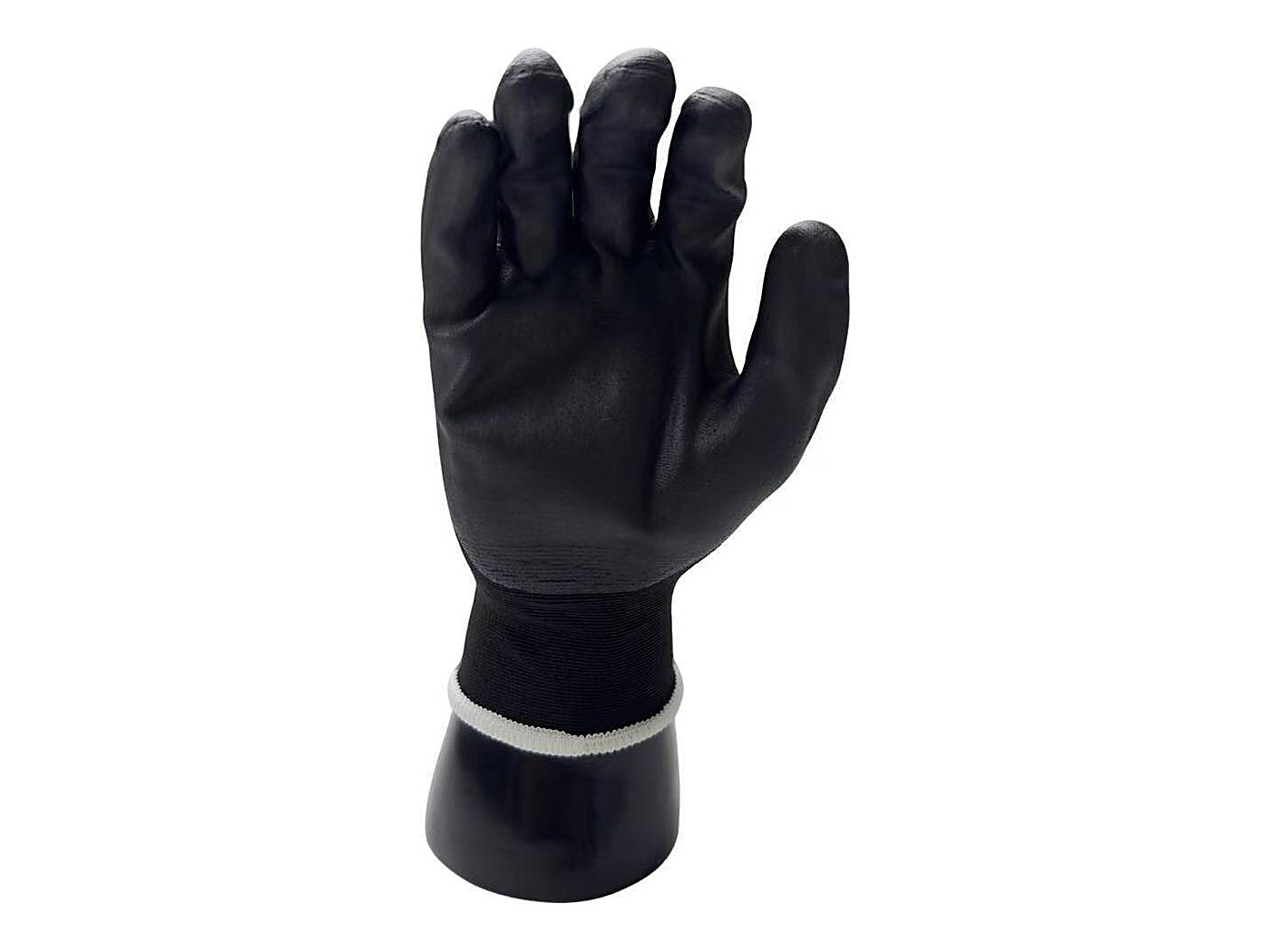
For electronics, semiconductor and battery assembly. Surface and vertical resistance tested so the charge leaves the part at a rate the component can survive.
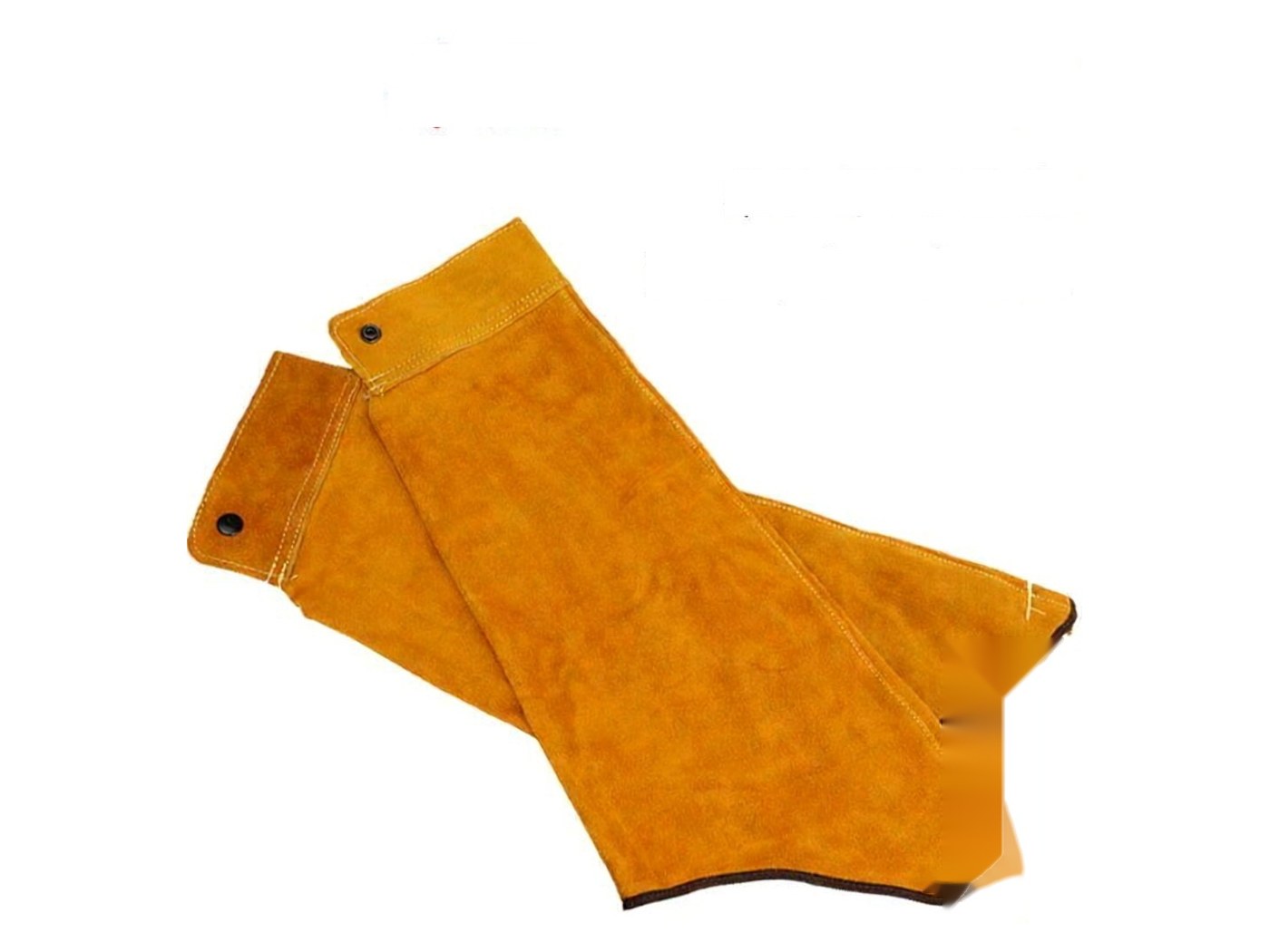
Cowhide sleeves from wrist to elbow with flame-resistant stitching and a cross-shoulder strap. EN 407 thermal ratings and EN ISO 11611 Type A or Type B.
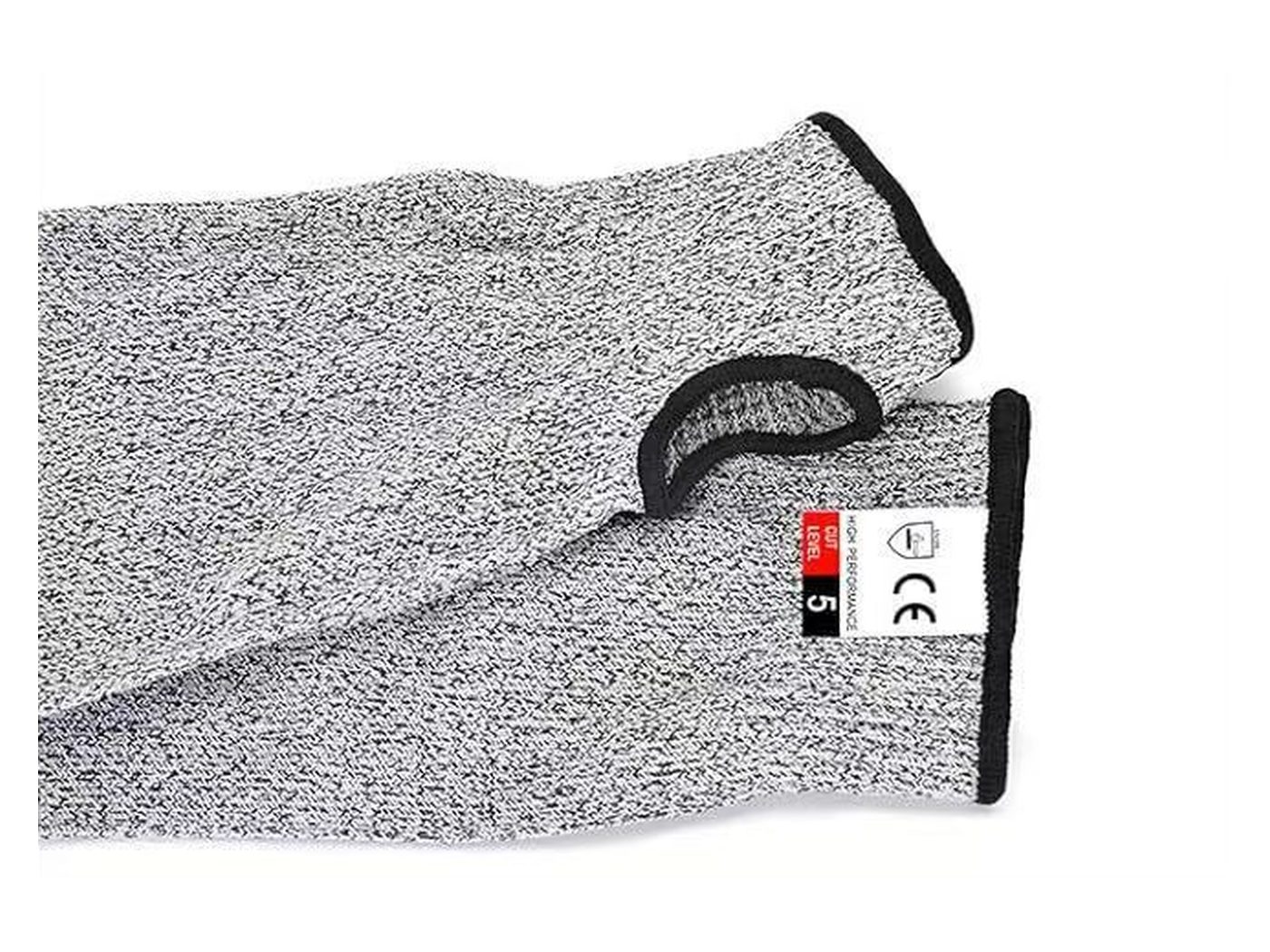
Knitted HPPE sleeves protecting the forearm and wrist, marked to the same EN 388 level as the gloves they accompany. Ordered together, they arrive under one test report.
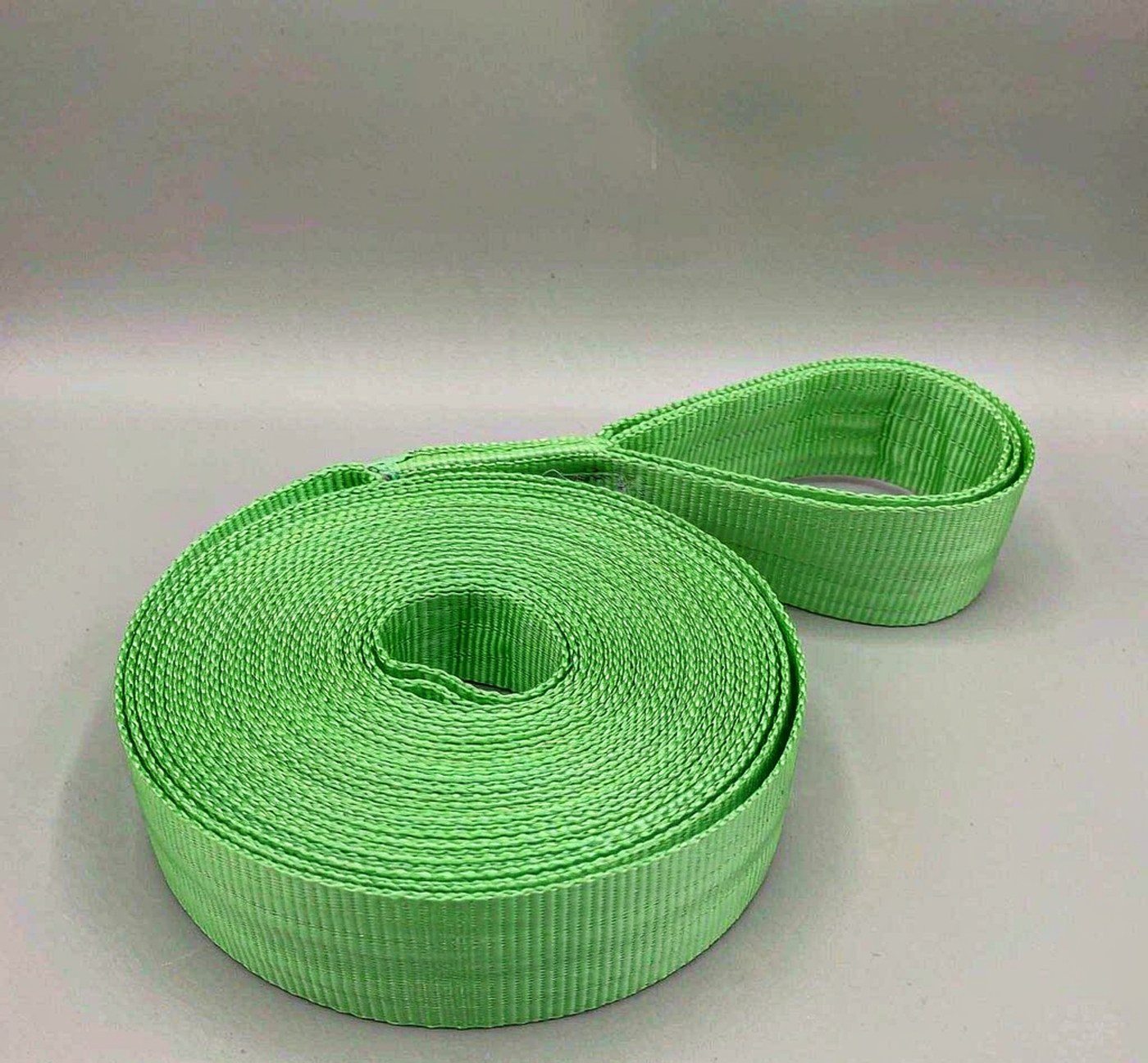
Flat woven webbing slings and polyester round slings from 1 t to 100 t, colour-coded by working load limit, safety factor 7:1.
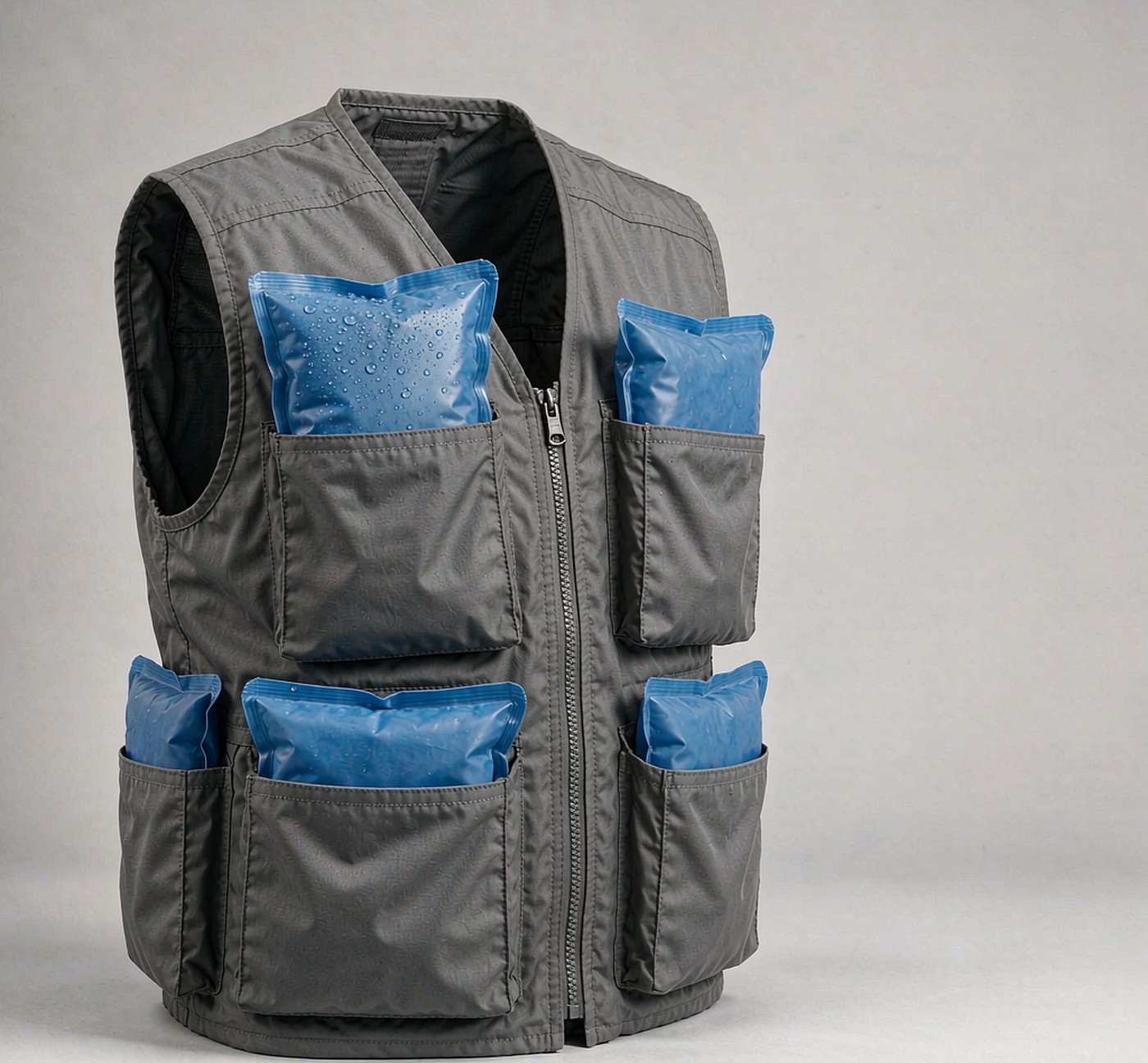
Pocket-style ice-pack cooling vests for occupational heat stress: 4–12 sealed pockets, 8–24 gel or PCM packs, 1–4 hours of cooling.
A distributor who buys across the range should not have to reconcile four suppliers' paperwork. We are not a factory: we select audited manufacturers, hold them to a written specification, inspect before loading, and consolidate the shipment. The trade documents arrive in one package, organised by product family, with the batch reference on every carton resolving to a specific test report.
EN 388:2016+A1:2018 · EN ISO 13997 · EN 511 · EN 407 · EN ISO 11611 · EN 374 · EN 1149-1 and -2 · IEC 61340-5-1 · EN 1492-1 and -2 · EN ISO 20471 · ANSI/ISEA 105, 107 and 138.
We publish the standard rather than hide behind phrases like "industrial grade" or "heavy duty". If you cannot name the standard on the label, the product is not finished.
Send us the hazard, the material being handled and the duty cycle. We will come back with the product family, the standard and level that should appear on the label, and the documents that will ship with the order. That is a cheaper first step than ordering a range and finding out it is specified wrong.
Tell us which lines you want priced and what your customer's standard requirements are. We will return a specification per family with the marking, the level and the document list.